A couple of years ago, I was casually scrolling through the news when something caught my eye—an article about the upcoming 2024 Paris Olympic Games. As a lifelong Olympics enthusiast, I was intrigued. The organizers were promising the most accessible Games in history, with new sports, a riverfront opening ceremony along the Seine, and one addition that made my heart race: a public marathon.
Dubbed the Marathon Pour Tous (“Marathon For All”), this event would allow 20,000 everyday runners to race the same course as the Olympic marathoners. As someone who had already run Boston and Chicago, this sounded like a once-in-a-lifetime opportunity.
The Long Shot Entry
The article directed me to an app where users could complete fitness challenges to earn raffle entries for the race. I synced my smartwatch and joined the fun, though I knew the odds were slim—hundreds of thousands had signed up.
Still, I kept at it. The challenges aligned with my regular marathon training, so it didn’t feel like extra work. Over time, though, the excitement faded. I logged in less frequently and eventually forgot about it altogether.
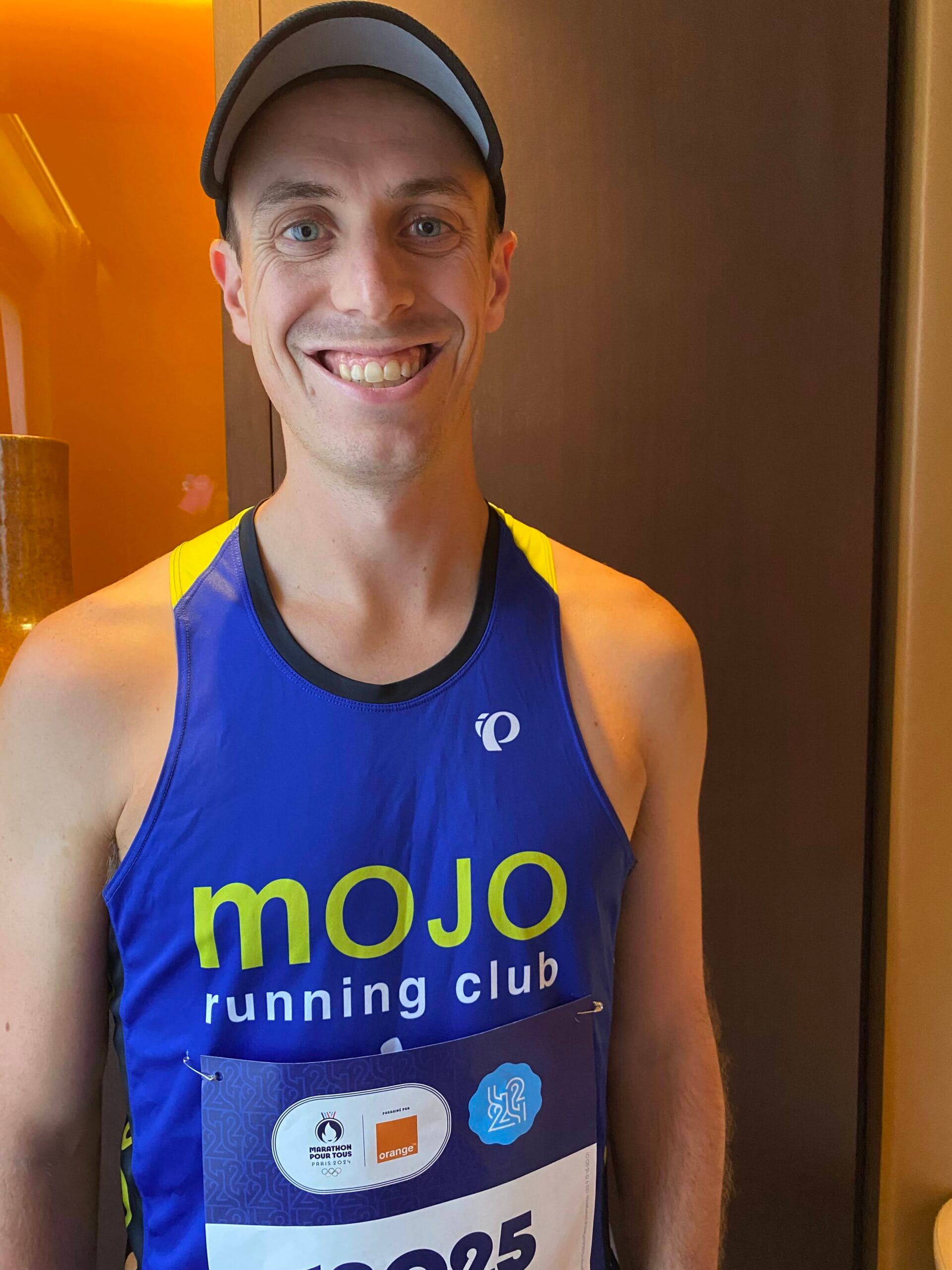
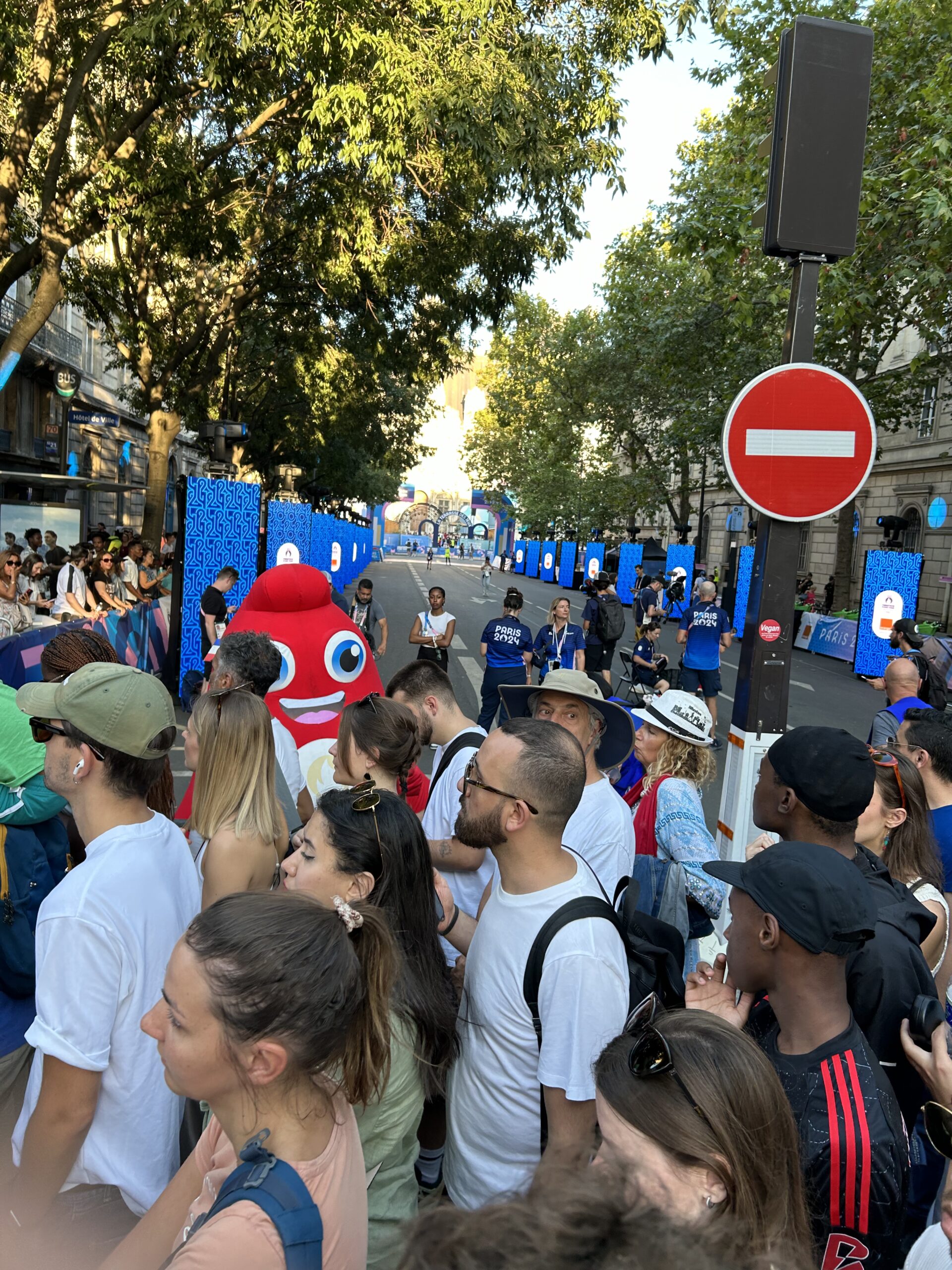
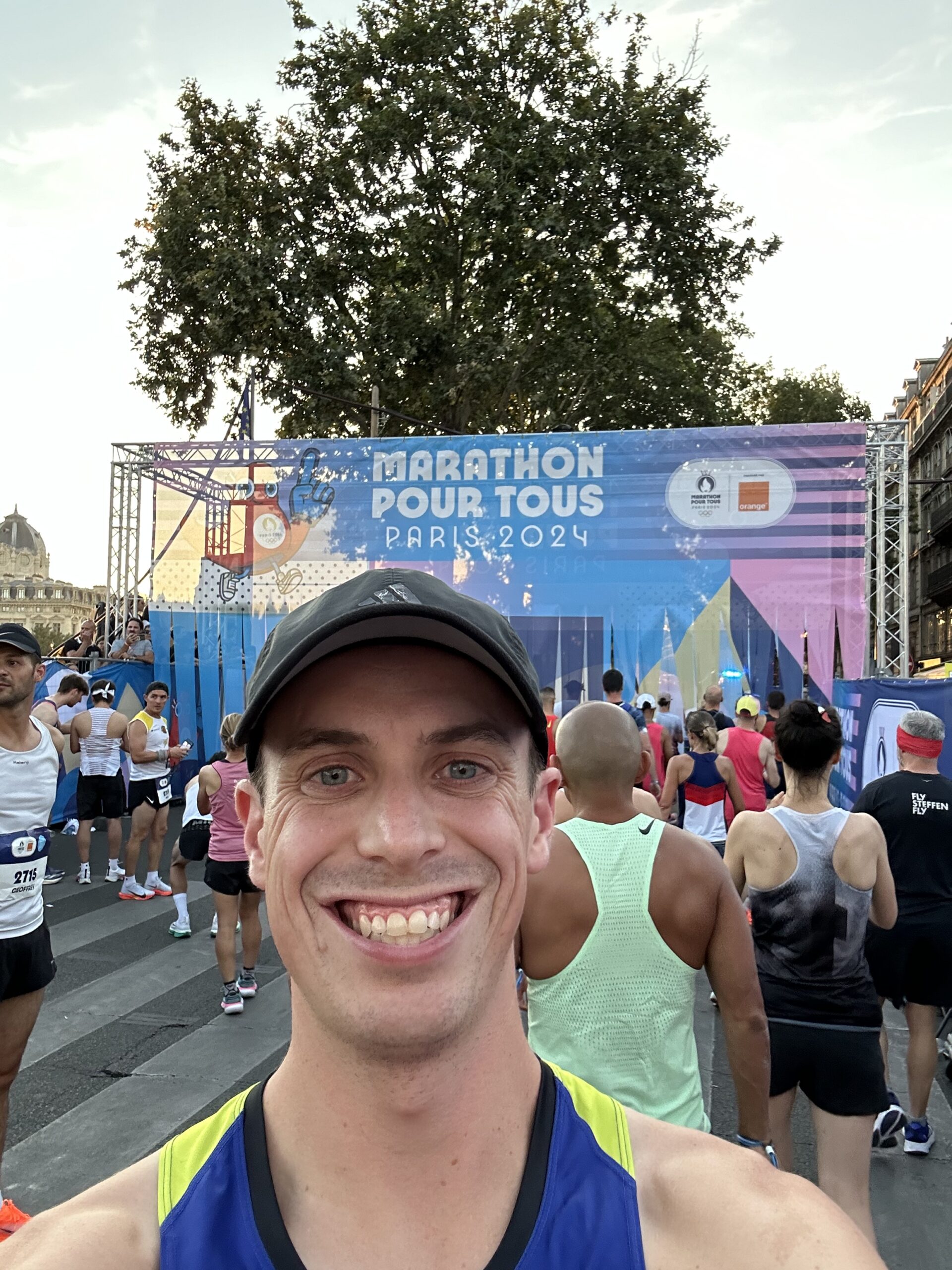
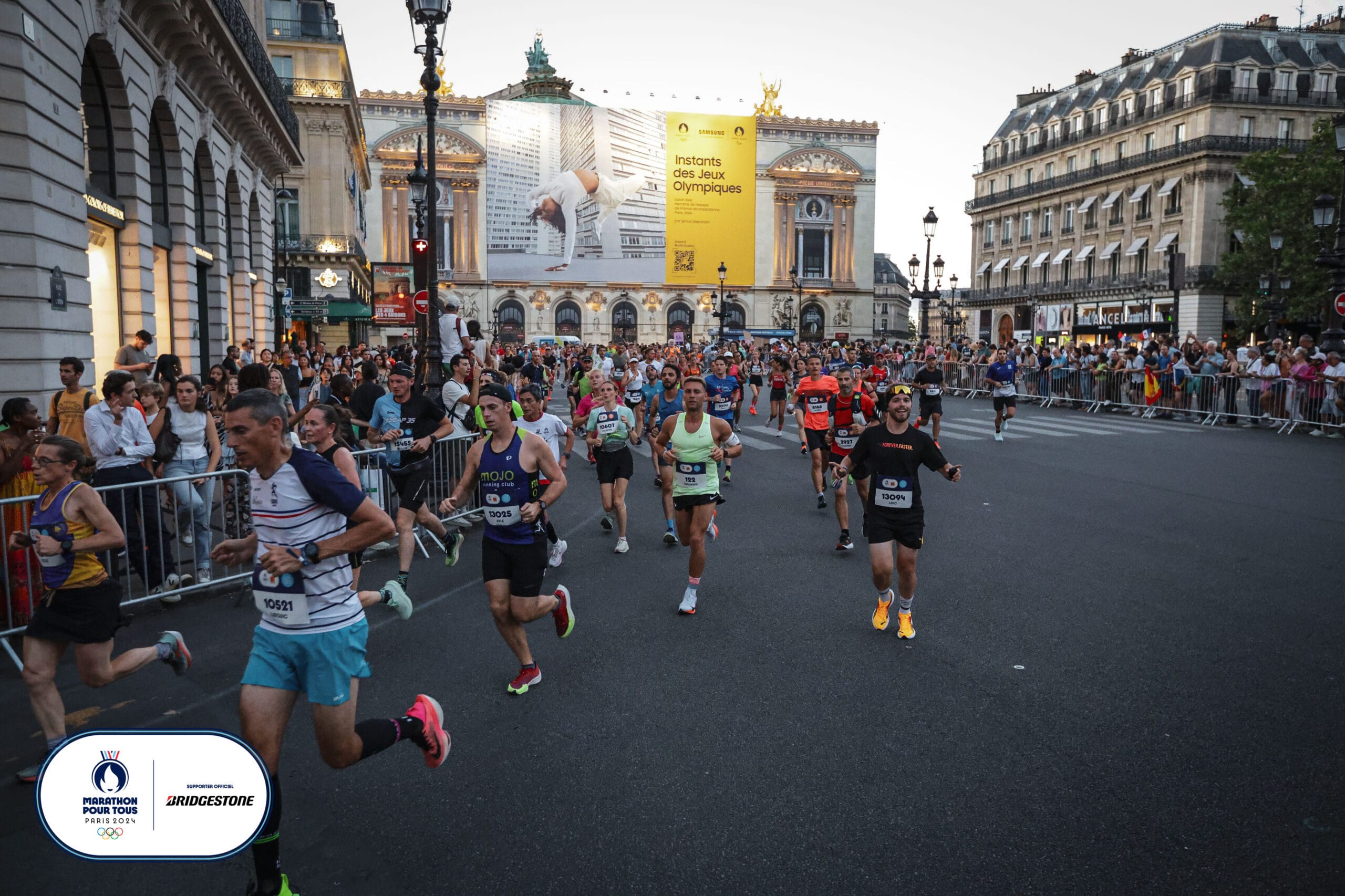
Nearly two years had passed since I first started using the app, and I had lost some of the early excitement around it. I still logged on periodically but was starting to forget about it. However, in August of 2023, I got an email out of the blue stating I had successfully won an entry into the race and to accept my spot. I was in such disbelief that I almost disregarded the email as a phishing attempt since after translating from French lacked too many details. I took some precautionary measures and finally determined it was legit. It required me to accept within 48 hours, and since it was a free entry I figured I would at least accept and then figure out if I wanted to go at a later date.
Later that day after work, I half-jokingly told my wife, Hannah, “do you want to go to the Olympics next year”? She gave me a surprised, “what are you talking about” look. I laughed and was like, “do you remember that Olympics app I joined a while ago”? I had mentioned it when I first signed up but, like me, she hadn’t given it much thought since. She eventually remembered and we both just kind of laughed about it and said we will think about it.
The nice thing about finding out when we did was it was still a year away from the event. While the race entry was free, we still had to consider the cost of planning an international trip. As I told our family and friends about it, they all said we had to go since this was a once in a lifetime experience. The more we thought about it, the more excited we got about going. By December, we made the decision that we were going to go and the excitement began to build!
Unlike many of the participants in the race, this was not my first time running a marathon. However, preparing for this race was unique for me in many ways:
- Summer Date: Training (and racing) for a marathon is typically best done in the cooler months of the year. Previously I had only ever trained for races in April/May or October/November. Training for a race in August was the most difficult training I went through due to the summer heat & humidity.
- International Travel: This also marked my first time racing outside of the United States. I really didn’t know what to expect on how many body would adjust to the long travel and time difference. I have traveled within the United States for races before, but this was much more extreme.
- Time of the Race: Finally, probably the most unpredictable part of the race was its unique start time. Every race I had previously done had started in the morning, with my latest start time being 10am at Boston. Paris started at 9pm due to the logistics of holding the race on the same course as the actual Olympic Marathon. This presented a lot of new obstacles I had to consider: how to fuel before/during/after the race, how to stay rested for a race late in the day, how to eat & recover after the race, and how the darkness and weather conditions would factor during the race.
- Difficult Course: In addition to all of the previous challenges, the Olympic Marathon race course featured significantly more elevation change than any of my previous marathons.
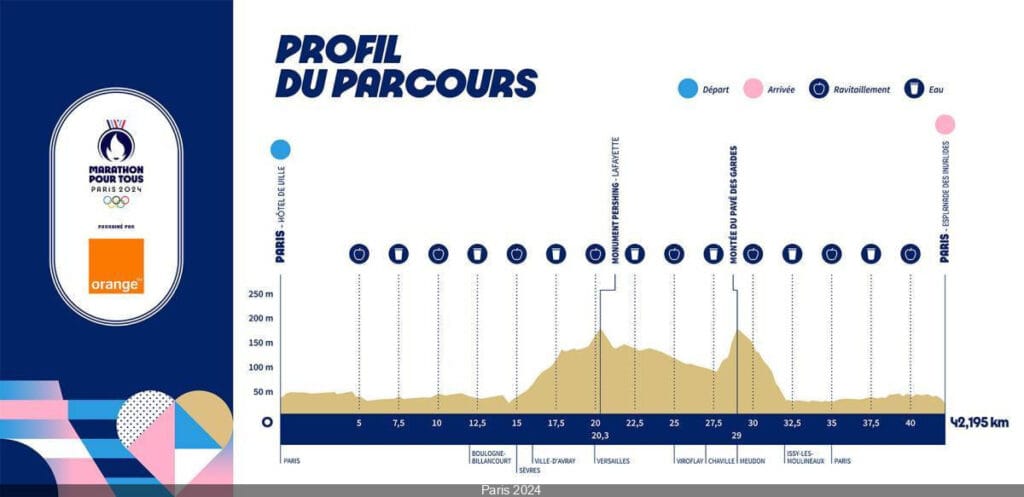
So much uncertainty made for a difficult training block. I was constantly being pushed out of my comfort zone and into the unfamiliar. Looking back, this all was a good growing experience for me as a runner and a person. I learned how to adapt and listen to my body and how to be flexible. With all these challenges, I knew that I would need to approach this race differently than other races.
I shifted from my usual goal of going for a PR, to simply enjoying the race and taking in the experience. As a natural competitor, this was a difficult shift in mentality at first. I tried to still approach my training like I was going for a personal record. However, since that wasn’t my ultimate goal, it made training motivation in the heat more difficult. Finally, as a final hurdle to overcome, our family all came down with COVID just 3 weeks before the race. Fortunately we recovered in time to make our once-in-a-lifetime trip to the Olympics!
Advertisement
Traveling to Paris
With the race taking place on Saturday night, we left Cincinnati on Wednesday night to be able to spend some time in the city and hopefully get over any jet lag. With the race taking place at night, we opted for lodging that would be on the race route. That way Hannah wouldn’t have to be out walking alone at night. Finding a hotel during the middle of the Olympics proved difficult, but we finally found a great option at the Hotel La Bourdonnais. It was a great location for us and it was very safe and convenient. It had a subway stop just around the corner, plenty of restaurants and shops, and the Eiffel Tower just around the corner. We highly recommend it for anyone looking for lodging in Paris!
On Friday we took it easy in the morning and rested from all the travel over the past 24 hours. Around noon, we got out and headed out on the train to tour the palace and estate of Versailles. It was incredible to see all the grandeur and magnificence of the grounds. Although, the stuffy palace made us thankful for the air conditioning in our hotel. After a few hours exploring we made our way back into the city to pick up my race bib.
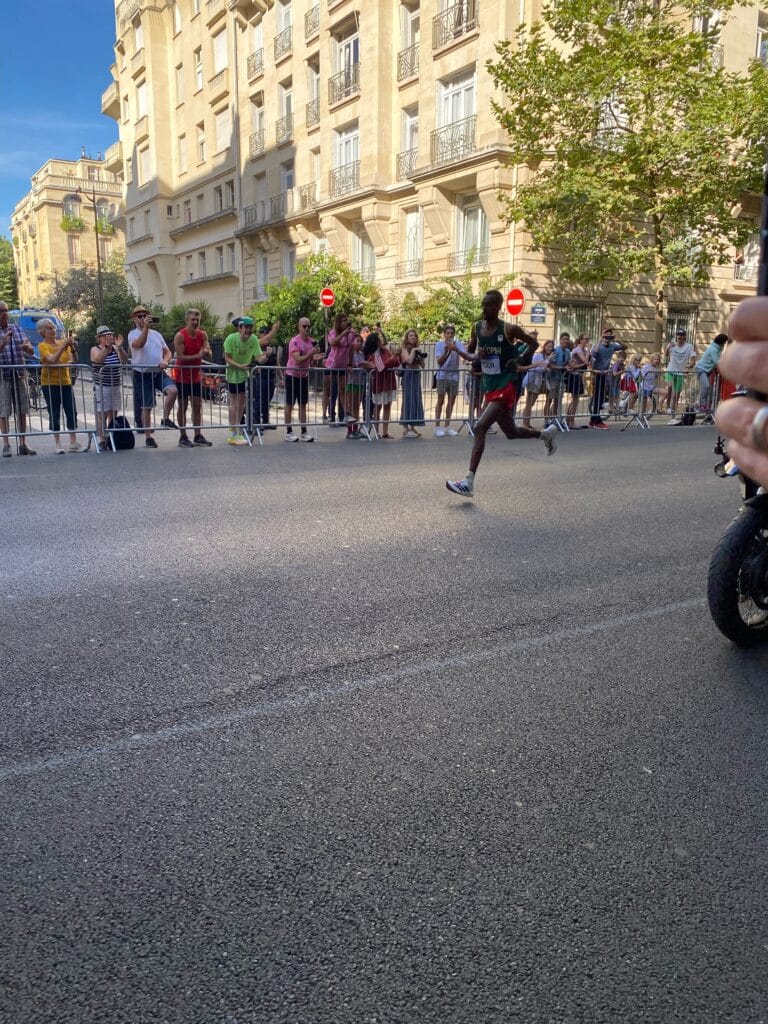
On Saturday morning I got to experience my first live Olympics event. Staying on the Olympic Marathon route meant that the men’s marathon ran directly in front of our hotel. The race started at 8am and we tuned into the race on our TV while we waited for the runners to get closer to us. It was exciting to watch it live, since back at home it would have been 2am! We were located about 24 miles into the race, so it took nearly 2 hours. I watched with anticipation as I knew I would get my chance to run the same route later that evening.
As the runners neared, we joined the massive crowd lined up along our boulevard to cheer on the runners. It was amazing to see the Olympic spirit in full force as fans from all over the world collectively cheered runners to the finish. The only disappointment came when we finally confirmed that Eliud Kipchoge had dropped out of the race just a few kilometers before reaching us. I had been eagerly awaiting my chance to see him in person but alas it was just not his day.
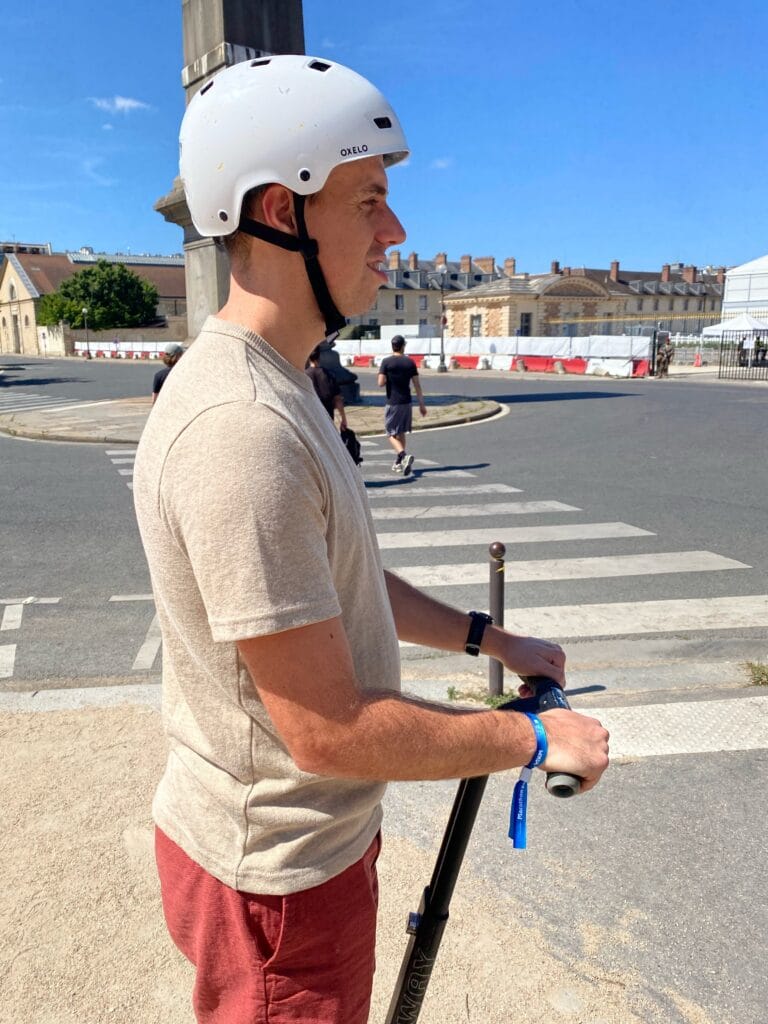
After the excitement of the runners passed, we grabbed some brunch around the corner and planned our day. We wanted to explore more of the city before my race, but I also needed to save my energy. As we walked back from brunch, we noticed a segway tour shop down the way from our hotel. We inquired if they had any openings and sure enough, they were able to get us in! We had never used segways before, but after a quick 5-minute training session we were whizzing around the streets of Paris. It was a fun (but not always relaxing!) way to get to go experience the Arc de Triomphe, Champs-Elysees, and other sights without having to take thousands of steps. Following the 90-minute tour, we headed back to the hotel to rest up for the big evening.
With the Olympic Marathon being my 9th marathon, I had pretty much gotten my race day routine down. However, with the race starting at night, I had to make some changes this time around to my pre-race meal. Typically, my pre-race meal (breakfast) would consist of 2-3 pieces of bread with honey and a banana. This time, I opted for some fresh Margherita pizza from down the street about 3 hours before the race. Time passed slowly until finally it was time to begin my journey over to the starting line near the Hotel de Ville.
Olympic Marathon Race Recap
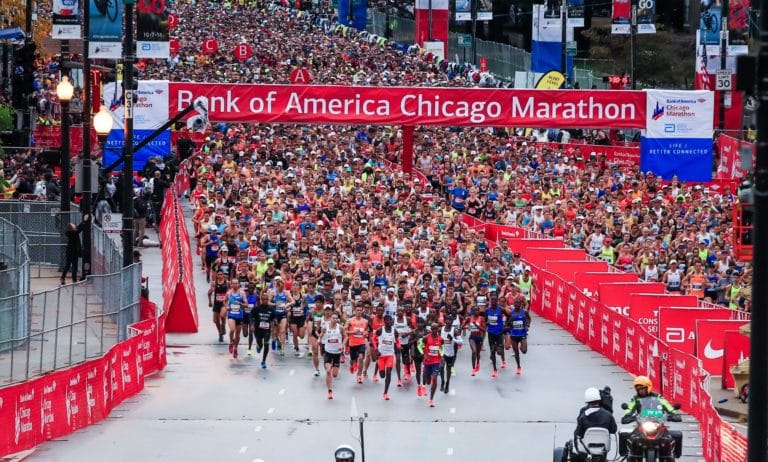
After weaving through the massive crowds near the start line, I finally made it to my corral around 8:30. Normally, I’d jump right into my warm-up routine, but after the long walk and with temps hovering around 80°F, I opted for a shady spot to cool down instead. I had expected it to be warm, but the heat and humidity were more intense than I’d planned for. Thankfully, my experience running a hot Chicago Marathon (72°F at the start) gave me a solid game plan: slow the pace, conserve energy, and stay on top of hydration.
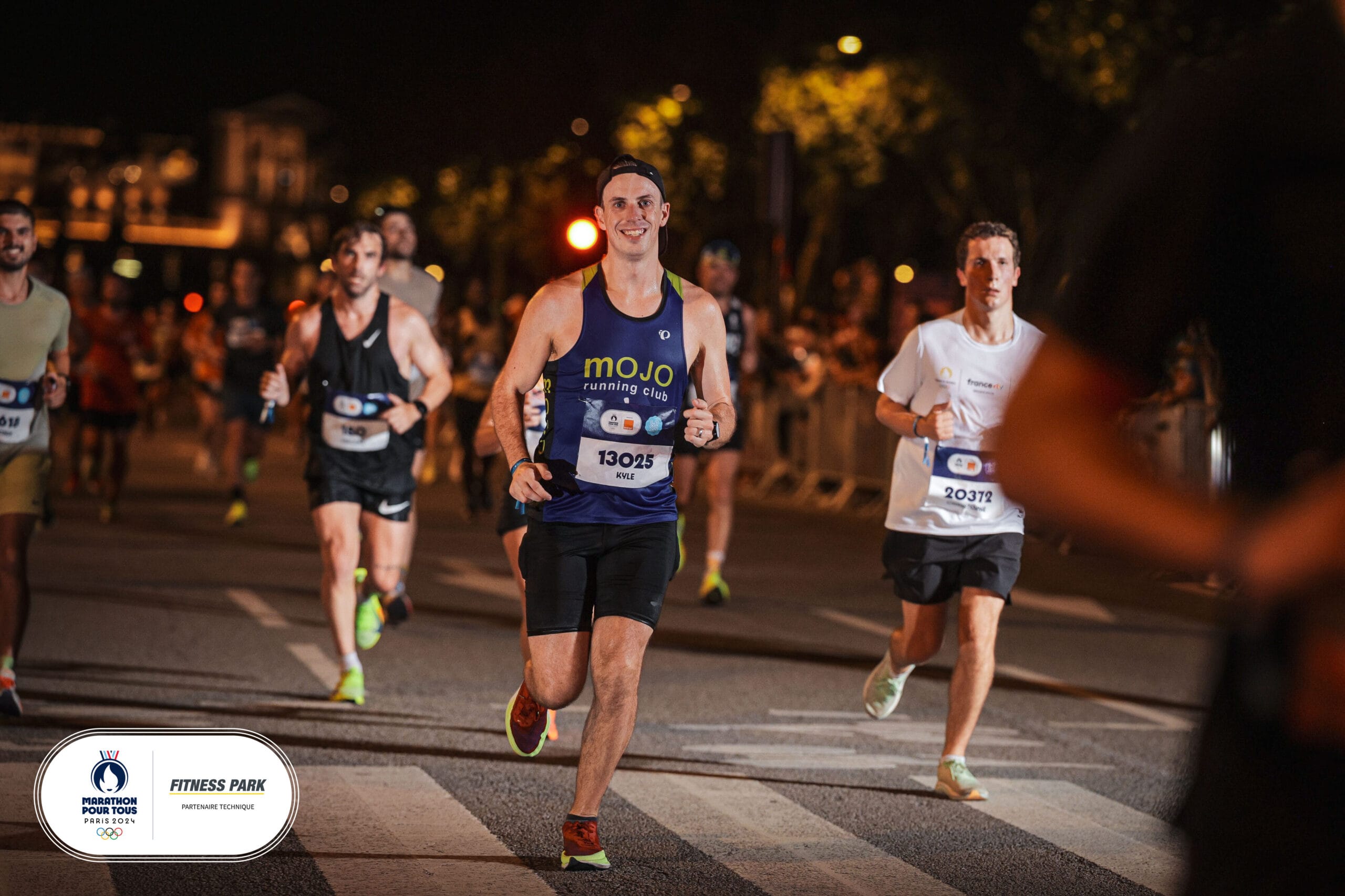
About 10–15 minutes before the 9 p.m. start, the pre-race festivities kicked off with the official Olympic song and the French national anthem. The sun was setting, casting a golden glow over the city—it was a beautiful evening, just a little too warm. And then, we were off.
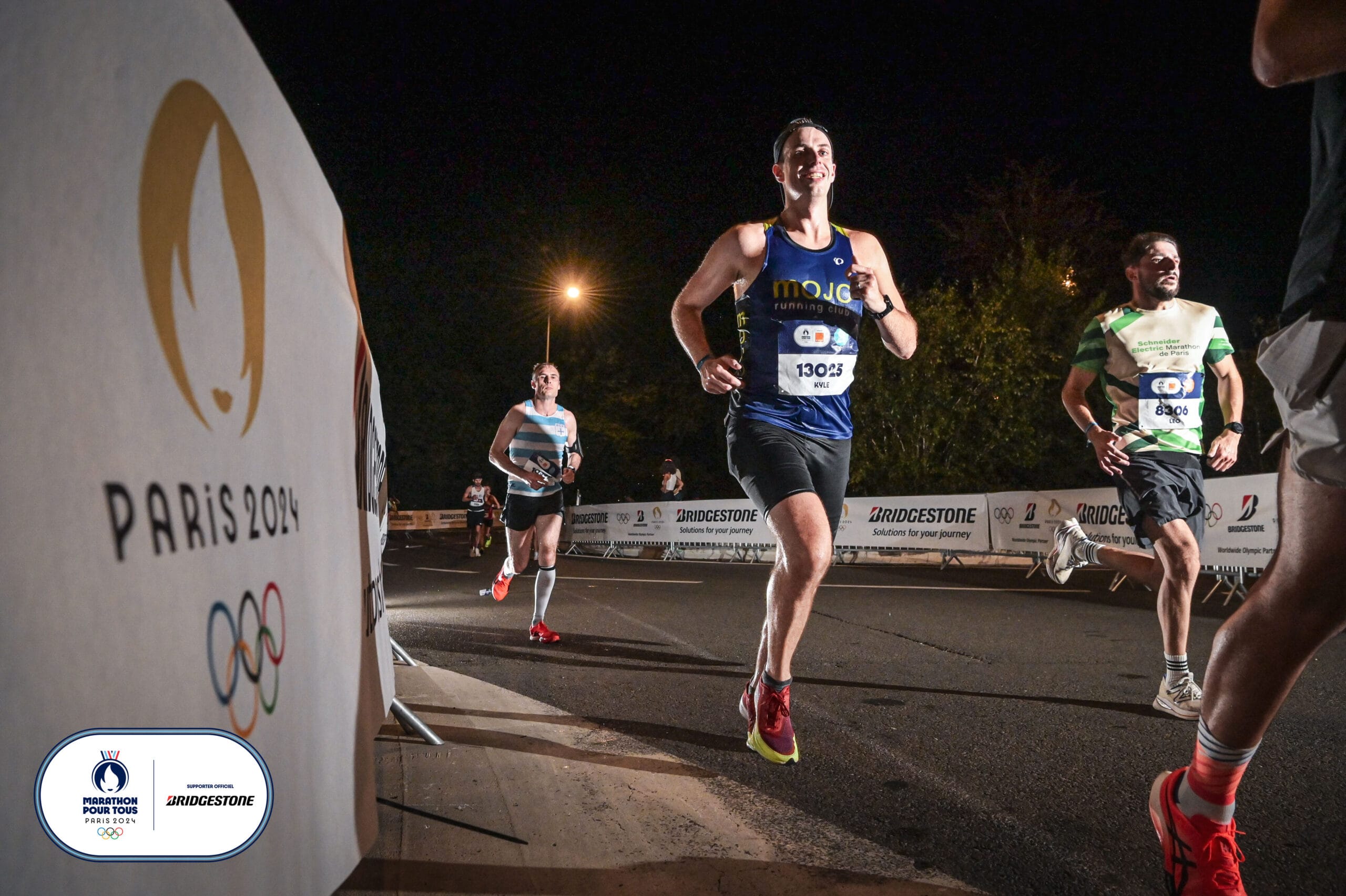
The first mile of a major marathon is always a whirlwind of emotion. The nerves disappeared instantly, replaced by pure joy as I ran past thousands of cheering spectators. The energy easily rivaled or even exceeded Boston or Chicago. I tried to soak it all in while navigating the narrow streets and finding my rhythm in the sea of runners.
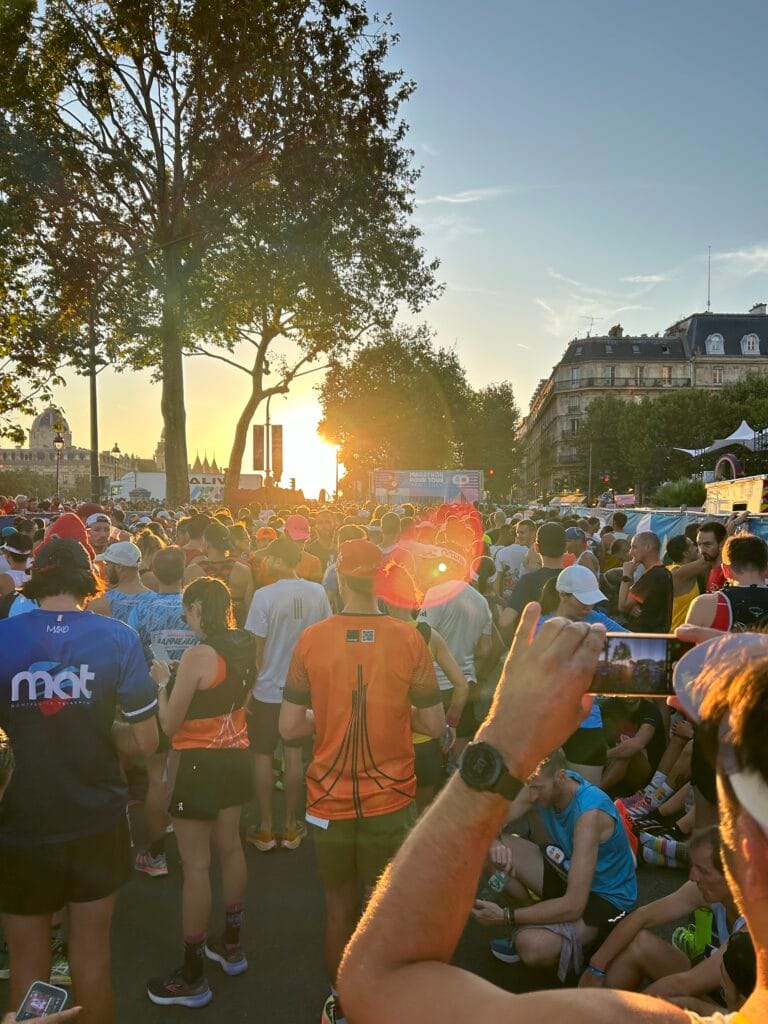
I didn’t pay much attention to my watch during the first few miles. From past experience, I knew GPS can be unreliable in city centers with tall buildings, so I focused on staying close to the 3:20 pacer up ahead. I’ve run sub-3 before, but this race wasn’t about chasing a time—it was about enjoying the moment and making it to the finish feeling strong. I settled into a steady rhythm around 7:20–7:30 pace and let the energy of the race carry me.
The early miles were unforgettable. We ran past iconic monuments, historic buildings, through the Louvre, and even caught our first glimpse of the glowing Olympic cauldron. It was surreal—like running through a postcard.
Time For The Hills
The course stayed smooth and steady through the first 15K, but I knew the real challenge was still ahead. I felt warm but in control, and I silently thanked myself for the months of hard training that brought me to this point. As the sun dipped below the horizon and the sky turned to a deep blue, we passed through lively town squares lit by the fading daylight. I started checking my watch more often—we were getting close to the hills.
Eventually, we veered off the main road and the climbing began. I focused on keeping my effort steady and quickly found myself passing other runners. All those hill workouts were paying off. After more than three miles of gradual climbing, I reached the final, steeper half-mile stretch. Cresting the top, I spotted the halfway mark just ahead and welcomed the reward of a long downhill.
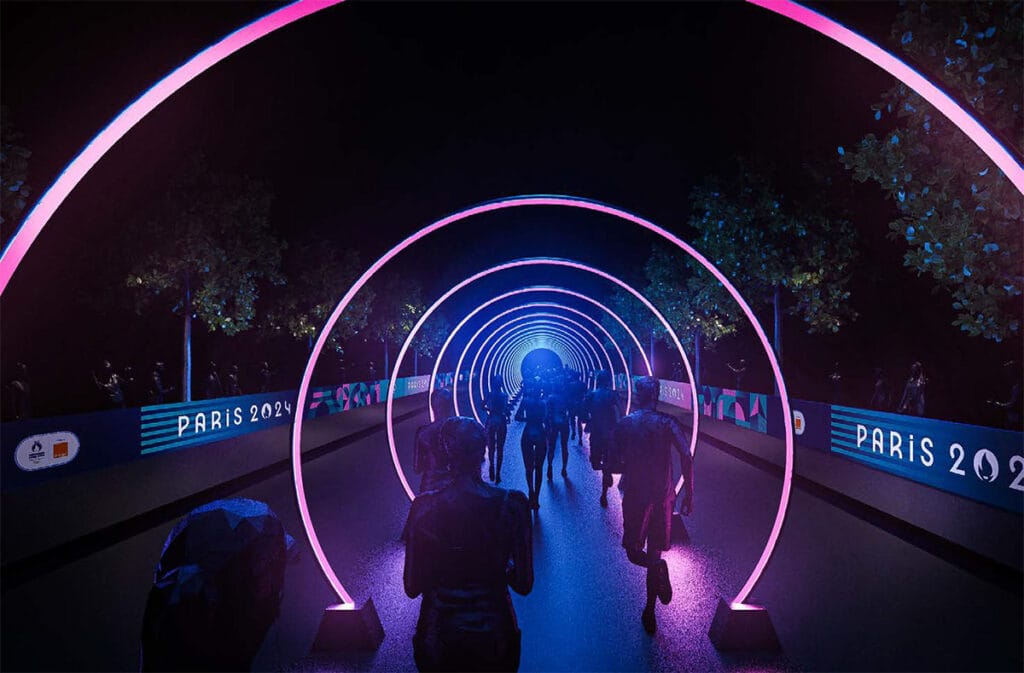
Soon we entered Versailles, passing the illuminated palace glowing in the distance. The next few miles flew by as I mentally prepared for the infamous hill I’d studied so closely on the course map. Seeing it in person was something else entirely. As we descended toward the base, a glowing light tunnel set up by the organizers offered a brief moment of motivation.
Then the real work began. The climb hit hard—over a 10% grade—and most runners ahead of me had slowed to a walk. My pace dropped below 9 minutes per mile as my legs burned. The light tunnel faded quickly, leaving us to grind out the rest of the climb under dim streetlights. When I finally reached the top, I shook out my legs and felt a wave of relief. The hardest part was behind me. Now it was time to focus on the finish.
What caught me off guard was how tough the next downhill stretch would be. Downhill running might feel like a break, but it puts serious strain on your muscles and joints—especially on tired legs and steep grades. While it gave my heart rate a chance to settle, my quads were screaming by the time I reached the bottom. Funny enough, I actually found myself wishing for a gentle uphill again (marathon brain does strange things).
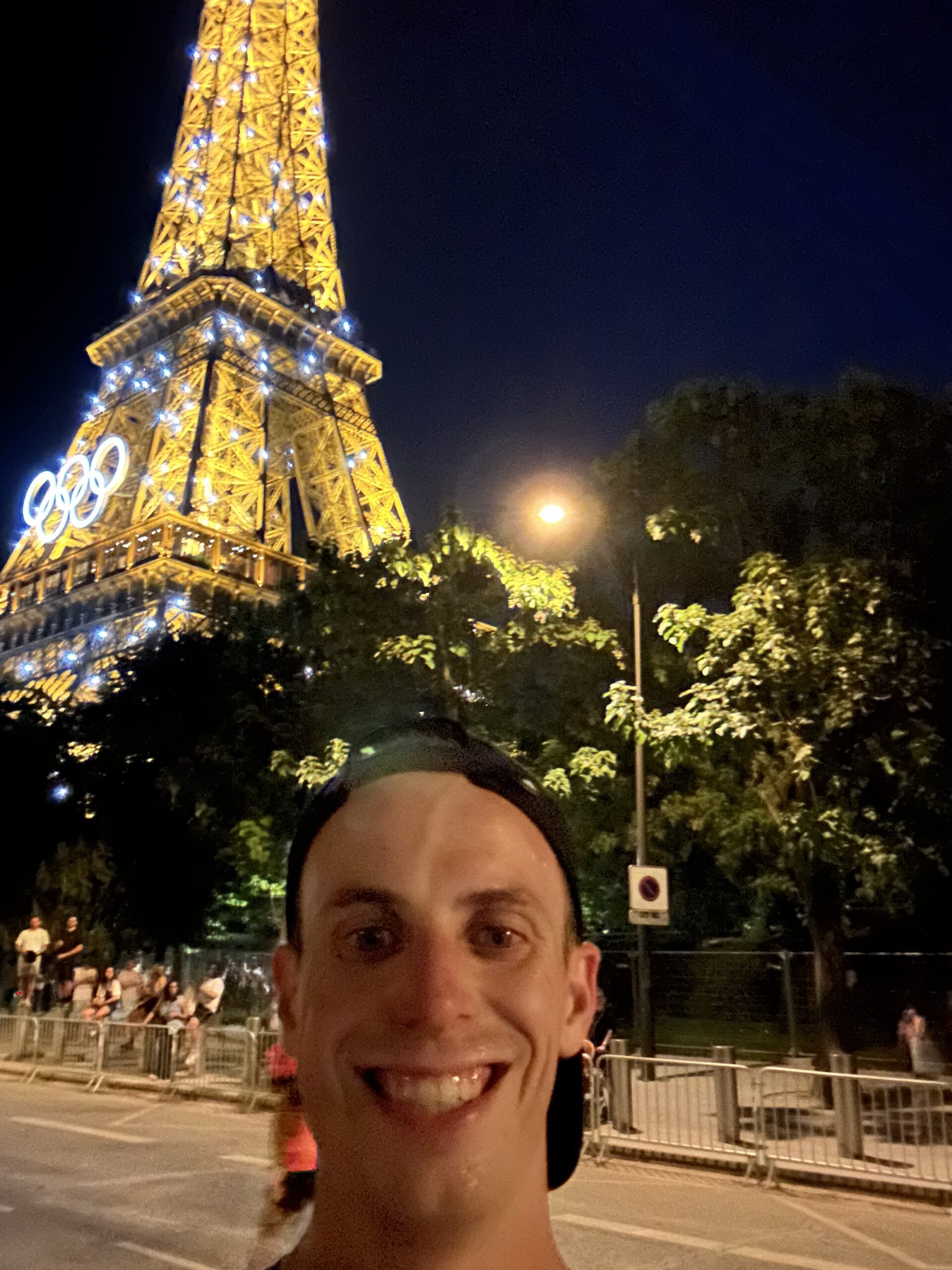
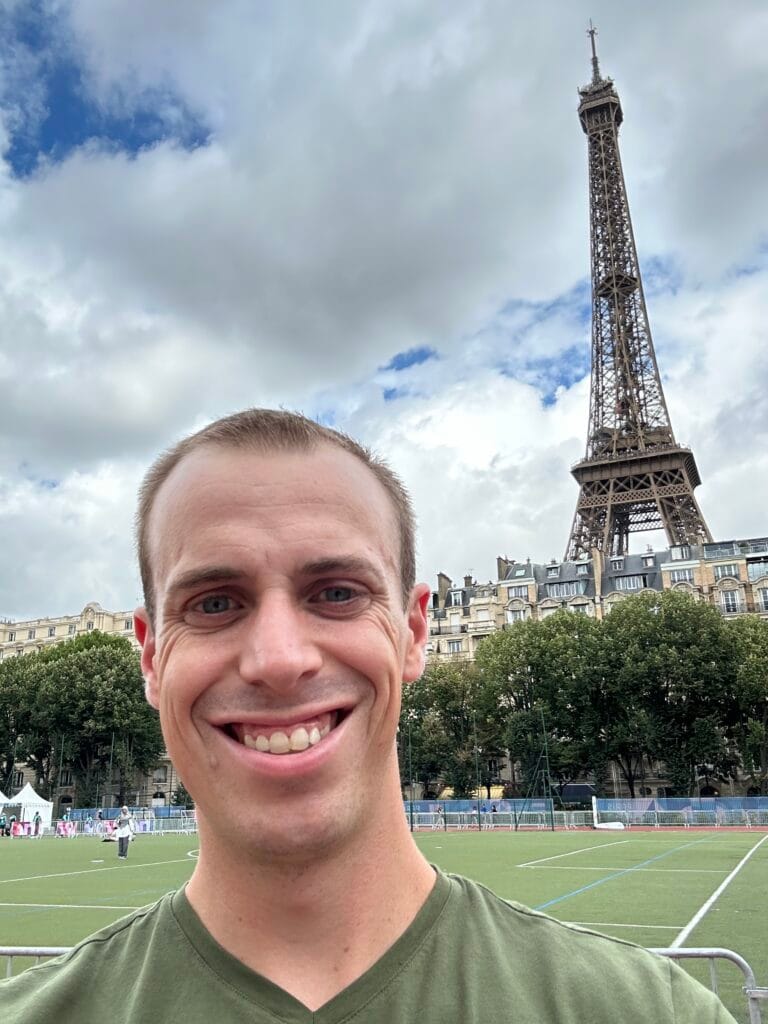
As we got closer to the city center, the crowds thickened and the views came alive again. A long straightaway opened up to a stunning view of the Eiffel Tower, glowing in the distance like a beacon. I hadn’t planned it, but as I passed underneath the sparkling lights, I glanced at my watch—midnight on the dot. It was surreal. I couldn’t resist pulling out my phone for a quick selfie to capture the moment.
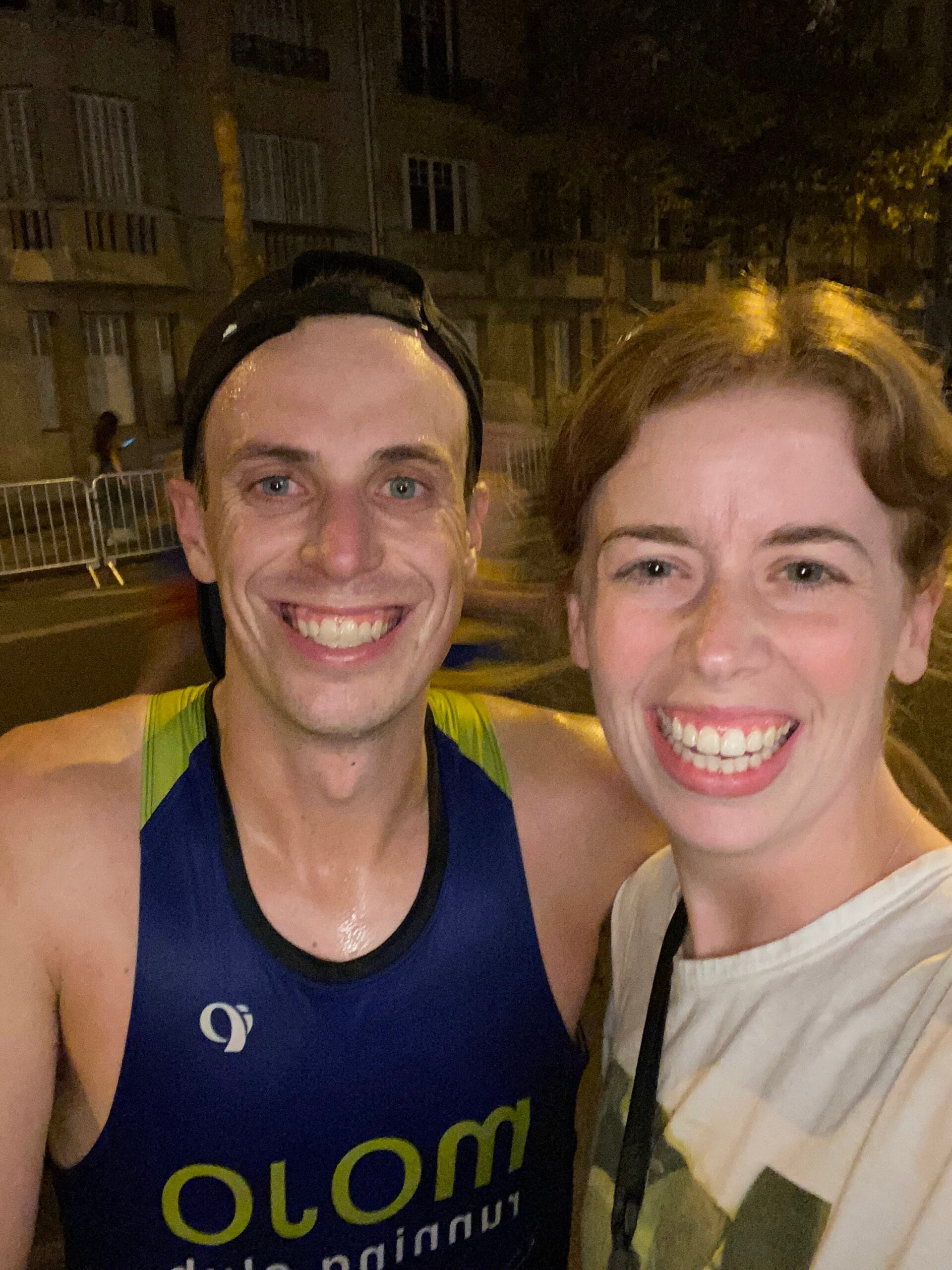
The heat and fatigue were starting to take their toll, but I knew I was getting close. Up ahead, I spotted my biggest supporter—Hannah—waiting with a cheer and a smile. That gave me a much-needed boost. I paused for a quick photo and a hug before pushing on toward the finish.
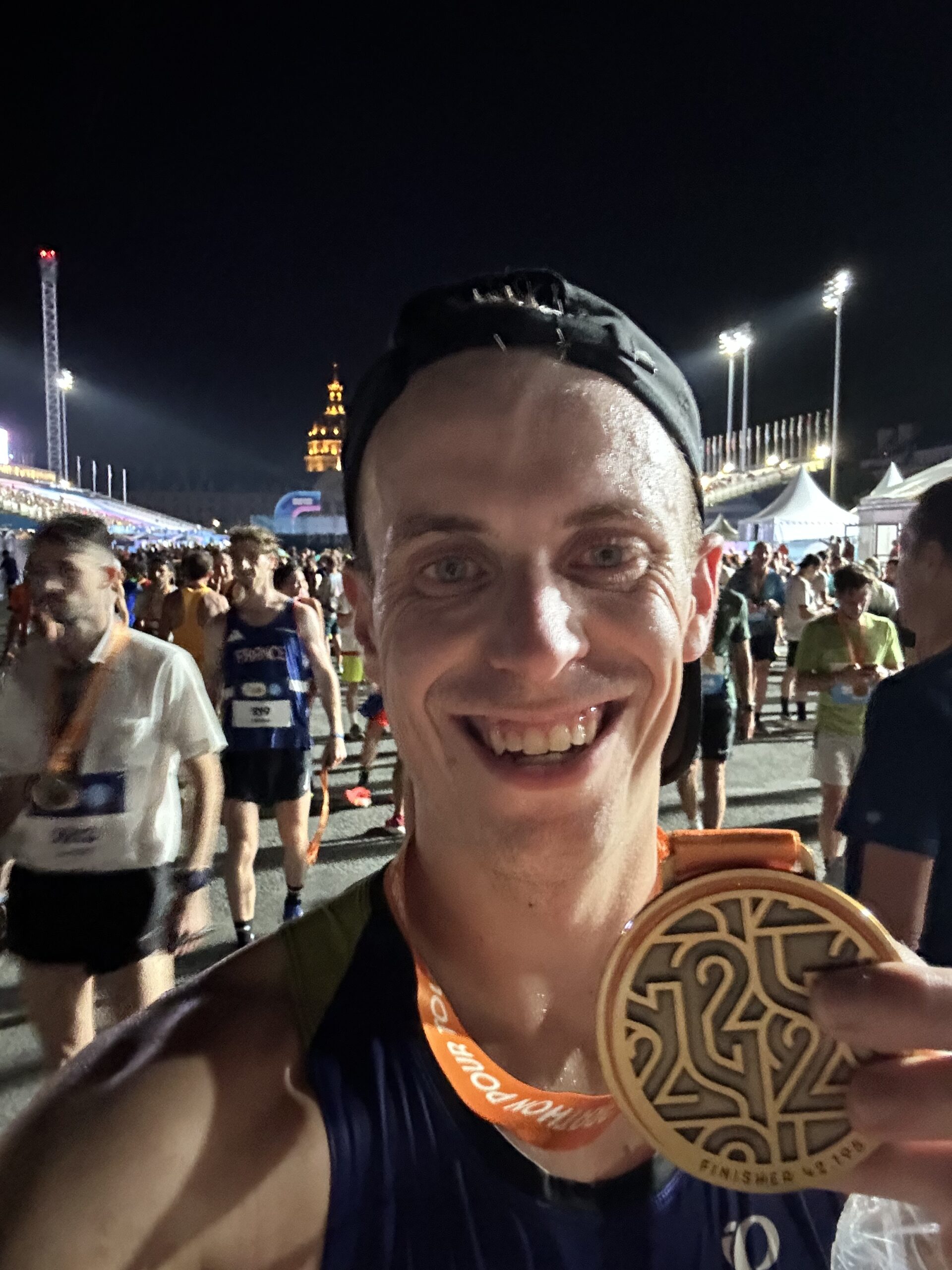
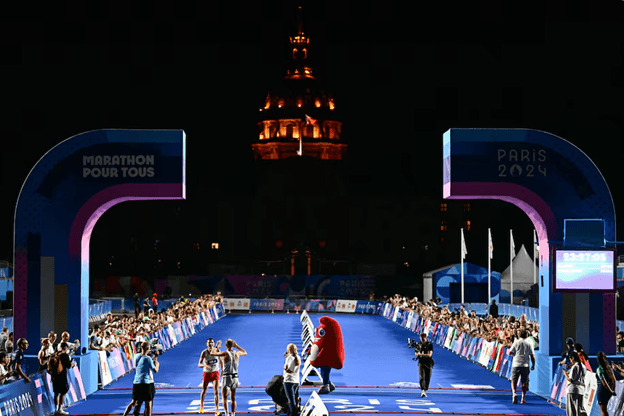
The final two miles felt endless, but the growing crowd helped carry me forward. As I made the final turn into the stadium, I got a small taste of what it must feel like to be an Olympian. My finish time—3:23—wasn’t my fastest, but it didn’t matter. I crossed the line with a full heart and memories I’ll never forget.
Advertisement